
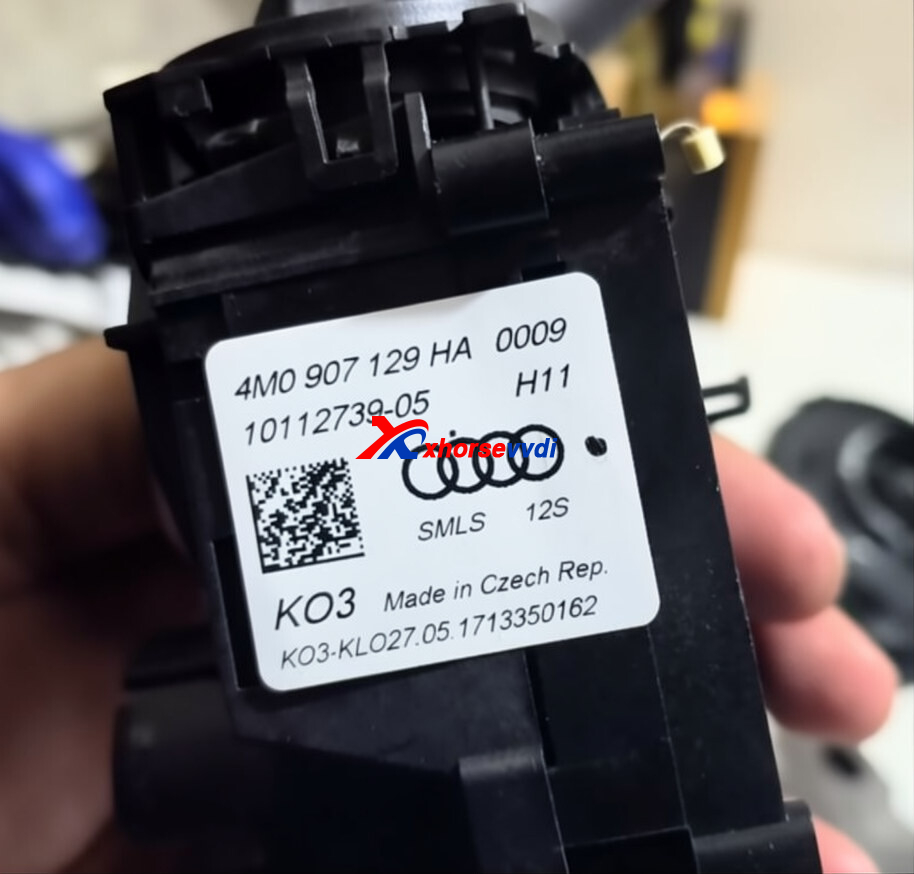
The Audi G85 steering angle sensor, commonly found in units such as part number 4M0907129HA with a D70F4000 chip, plays an important role in the vehicle’s steering and stability systems. If the sensor develops a fault, symptoms may include steering-related warning lights, reduced power steering assistance, or communication problems with other vehicle control modules.
The sensor monitors the steering wheel angle and sends this information to systems such as the ESC and electric power steering. The D70F4000 chip inside the 4M0907129HA unit stores important calibration and adaptation data. Depending on the fault, repair may involve reading and processing the chip data, restoring the original information, or replacing the sensor and performing the required calibration procedures afterward.
Tools and Equipment Required
Before starting the repair, make sure you have the following tools and equipment ready:
- A compatible diagnostic tool, such as VCDS, ODIS, or Autel
- Xhorse VVDI Prog or Multi-Prog for reading and writing the D70F4000 chip
- Soldering equipment for chip-level repair, if required
- A stable power supply to ensure a reliable connection
- Basic hand tools for removing trim and accessing the module
Step-by-Step Repair Procedure
Step 1: Prepare the Vehicle
Park the vehicle on a flat, stable surface and make sure the steering wheel is centered with the front wheels pointing straight ahead. Disconnect the negative battery terminal and allow sufficient time for the vehicle’s electrical systems to shut down completely before starting the repair.
Step 2: Gain Access to the Sensor
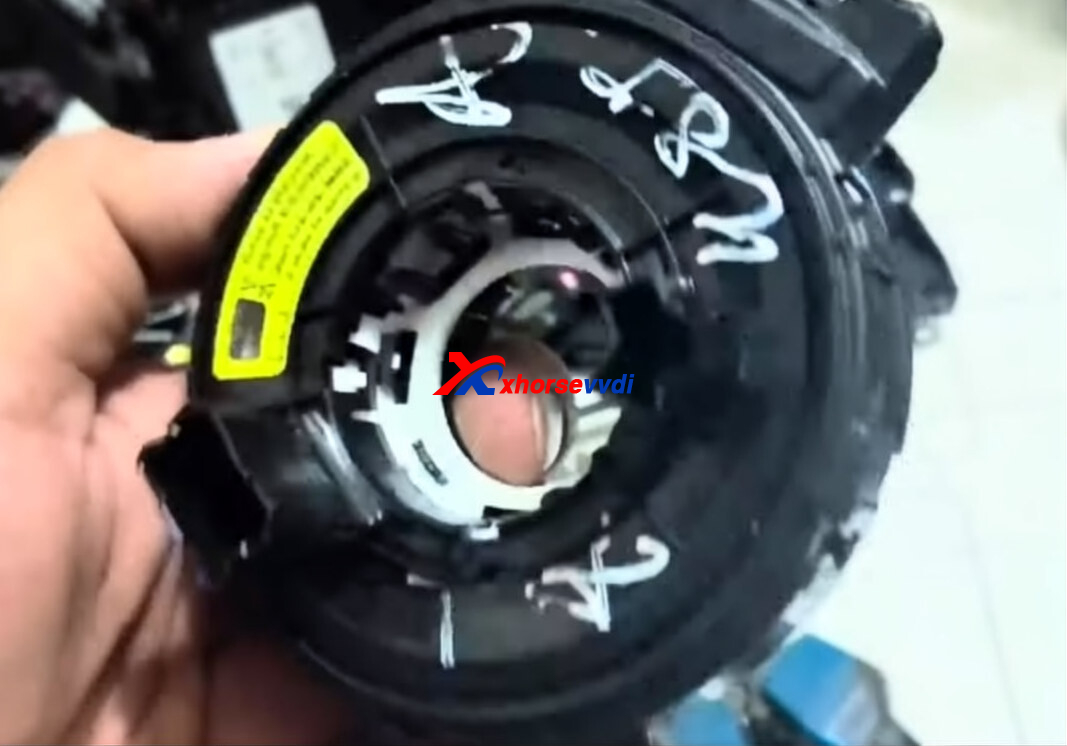
The G85 steering angle sensor is generally positioned behind the steering wheel and may be integrated into the steering column control module or clock spring assembly. Carefully remove the airbag and steering wheel following the vehicle manufacturer’s recommended procedure. Handle all airbag-related components with extra care.
Step 3: Remove the Sensor Module
After removing the steering wheel, identify the G85 sensor module and carefully disconnect its electrical connectors. Check both sides of the module for additional connections, as the exact configuration may vary by vehicle. Remove the retaining screws and gently take the sensor module out of its mounting position.
Step 4: Reading and Writing Data
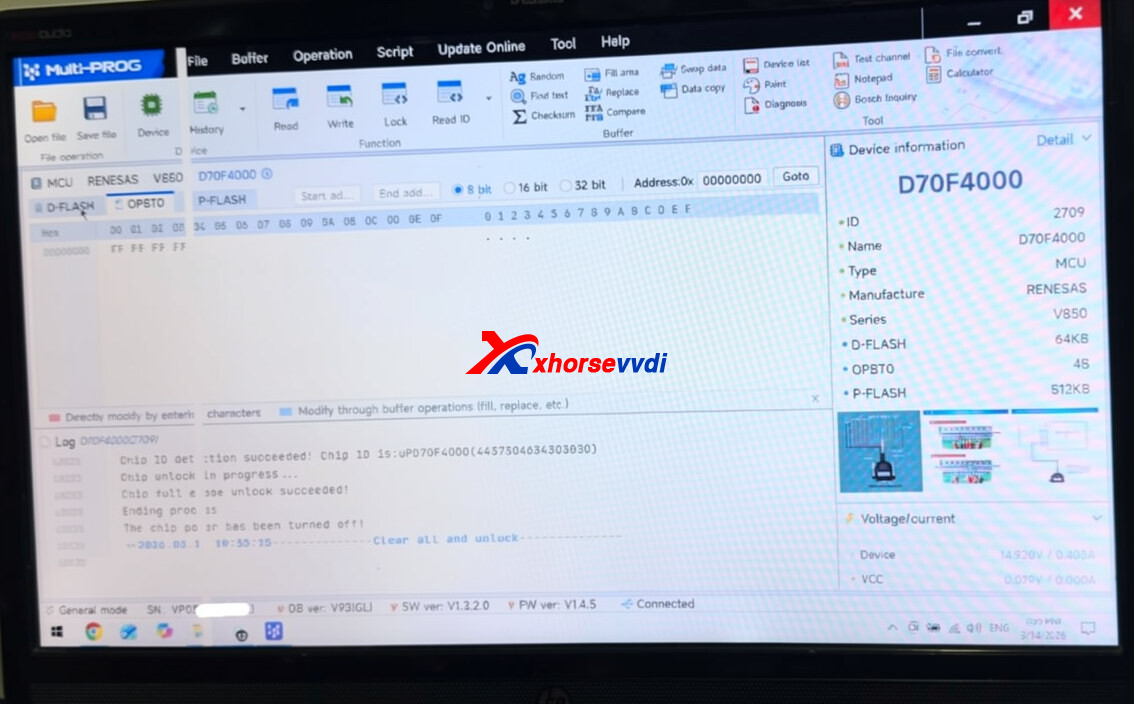
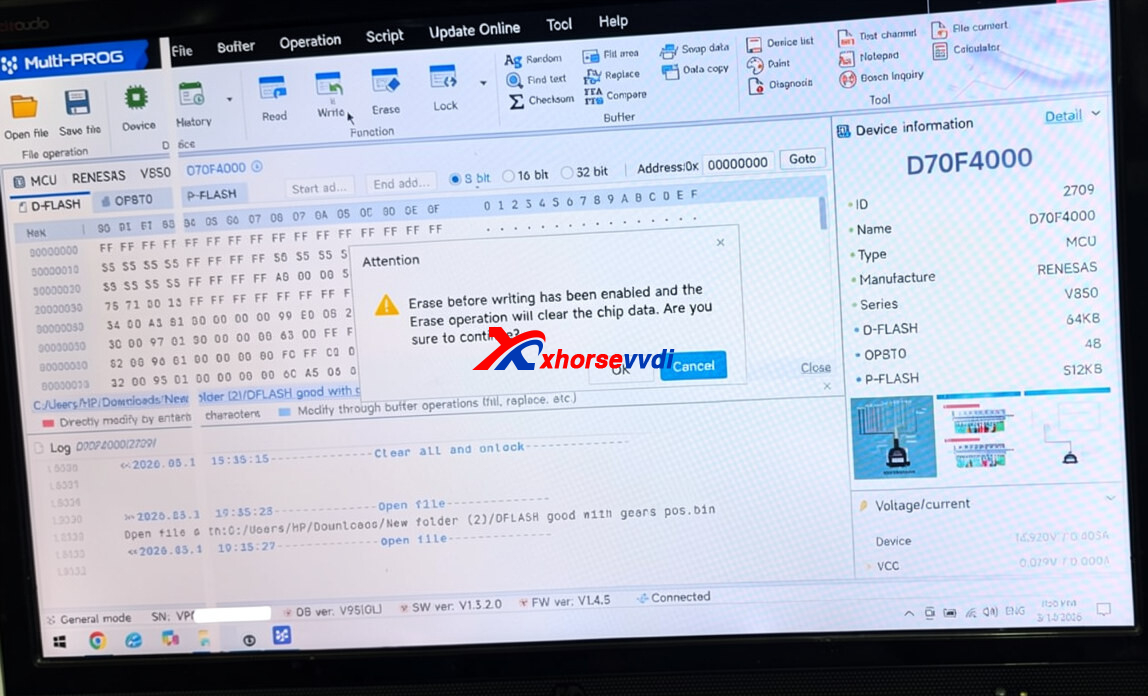
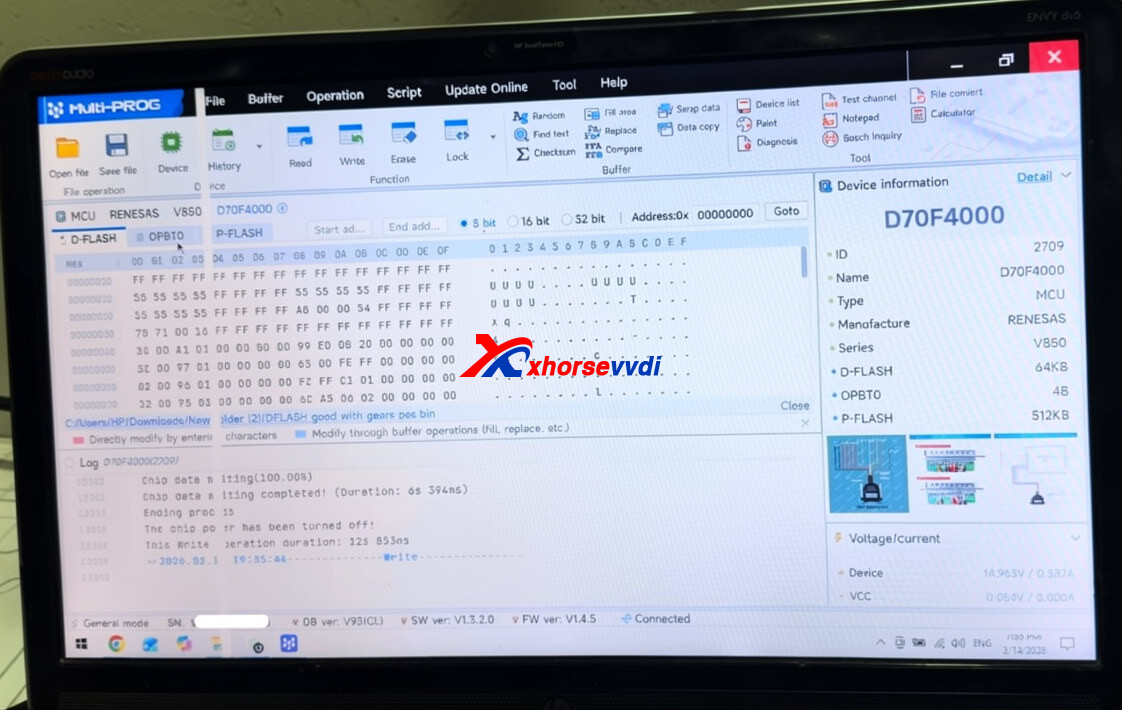
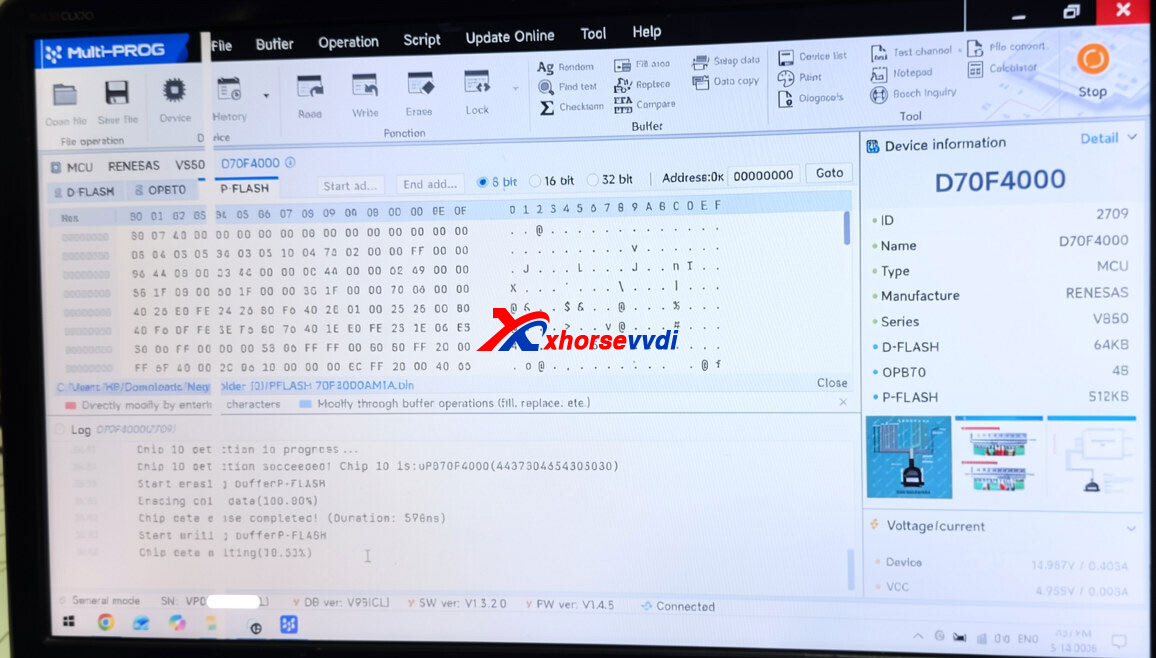
Use your programming tool to read the original data from the D70F4000 chip. Make sure to create a backup of the original data before making any modifications. When replacing the sensor, the saved data can be written to the new unit or used to complete the required adaptation procedure.
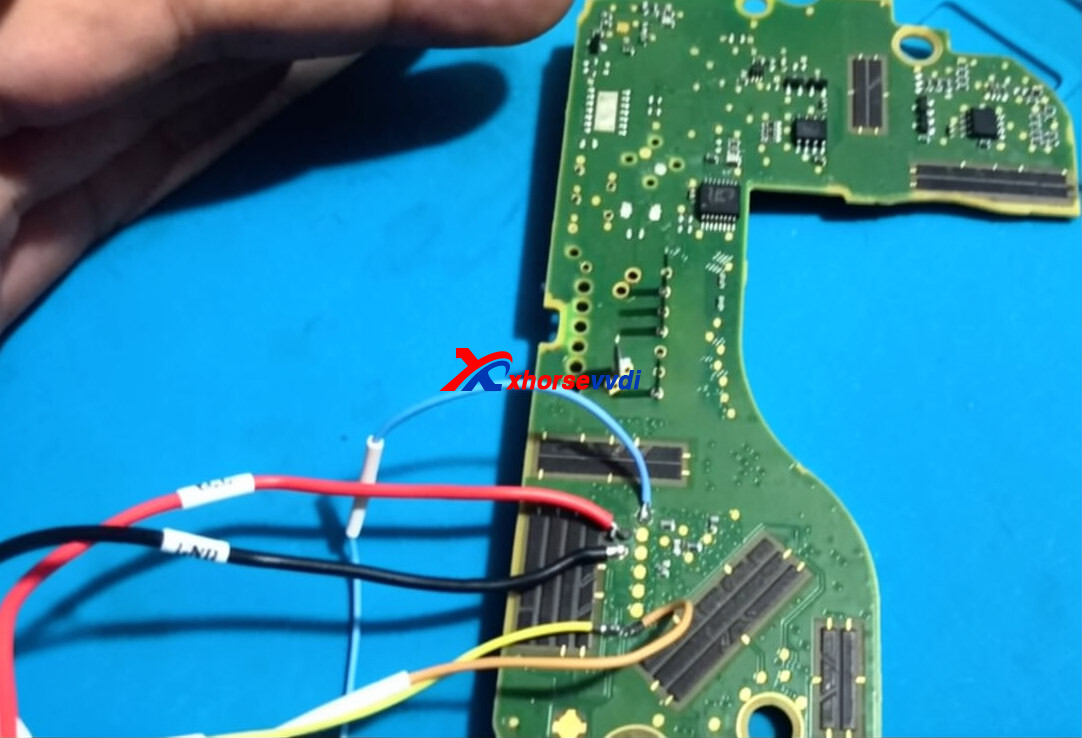
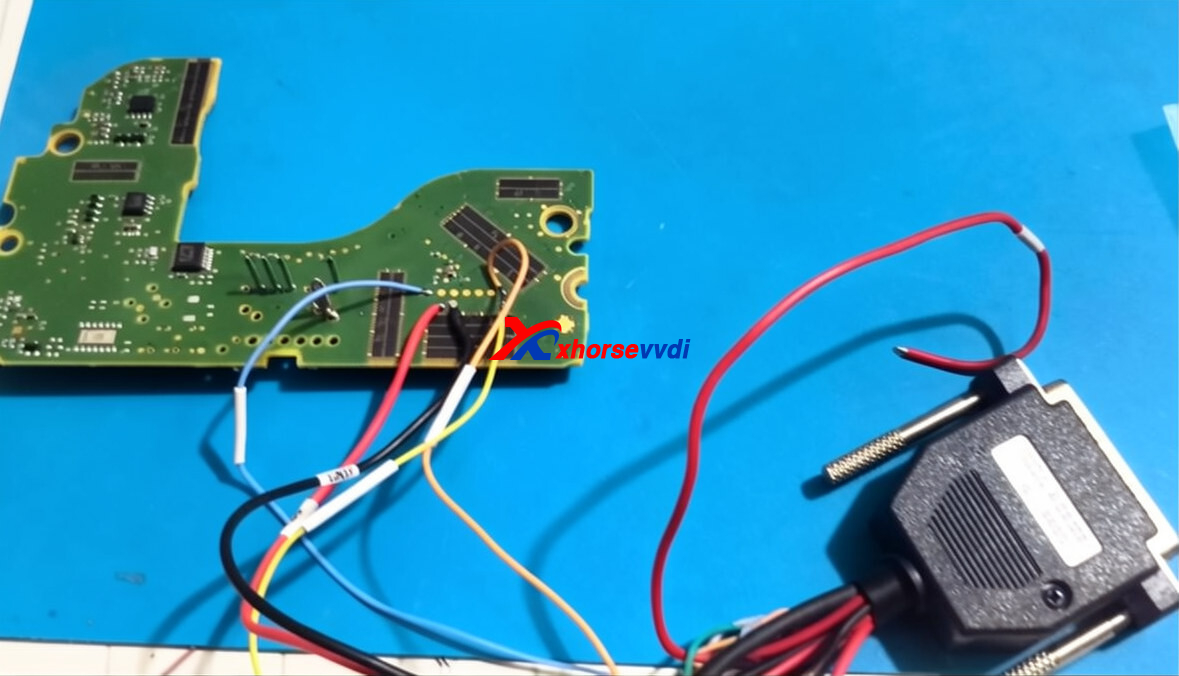
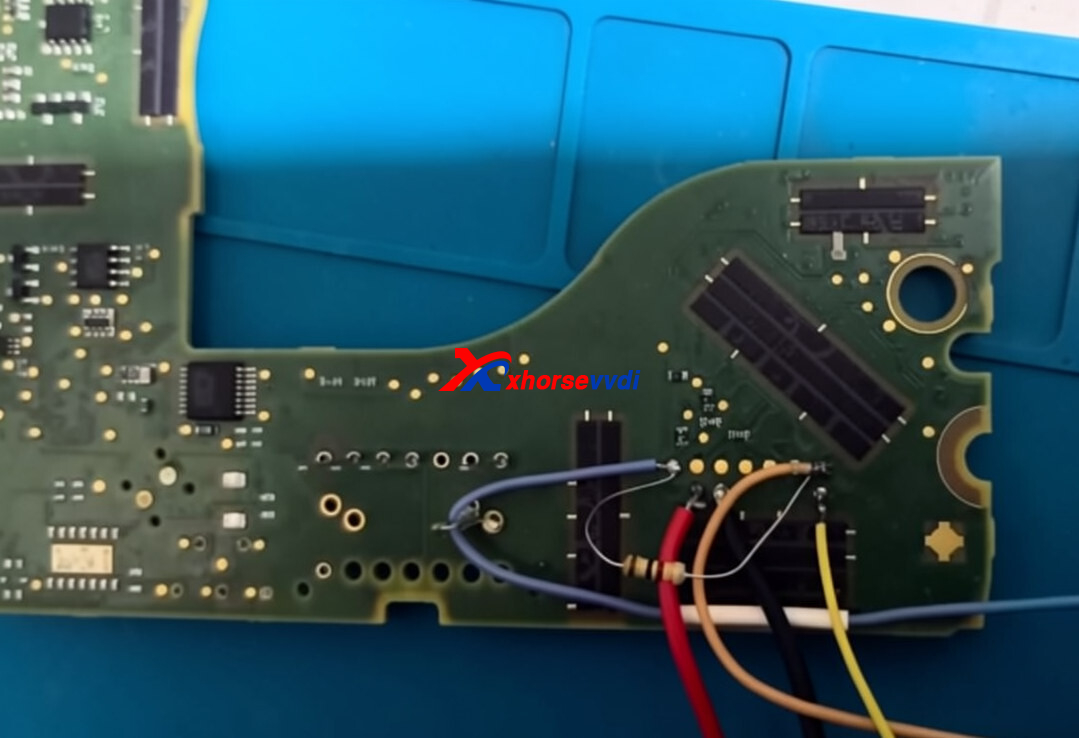
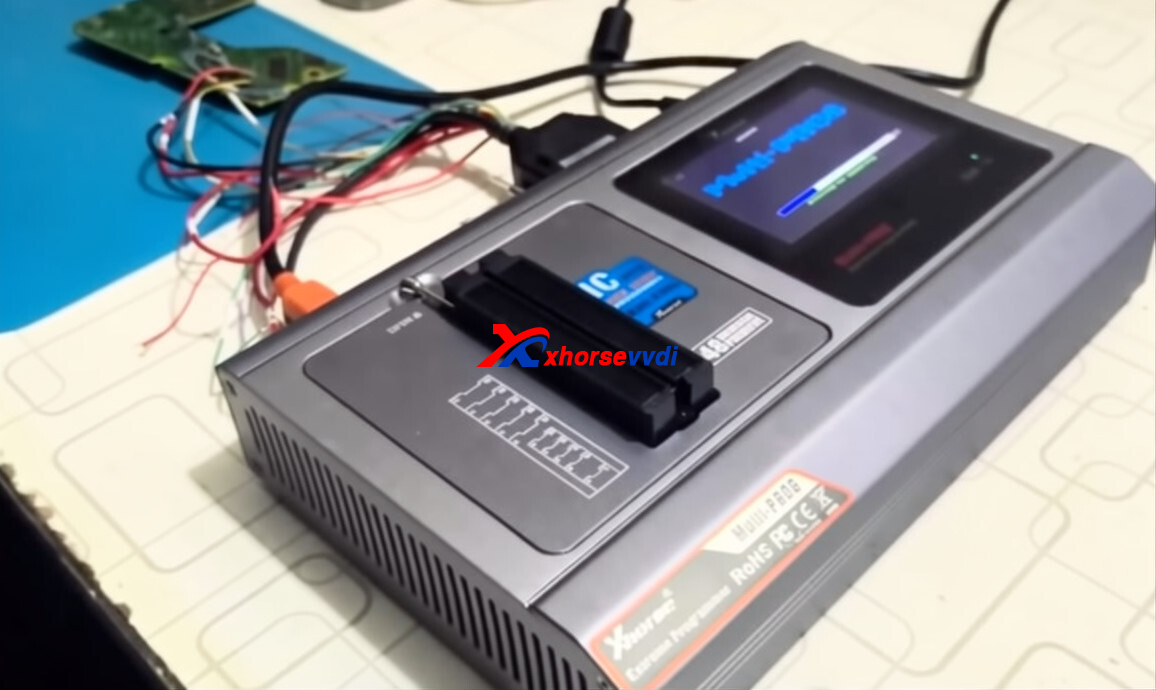
Step 5: Reinstall the Module
Once the sensor module has been repaired or replaced, install it back into the vehicle by following the removal procedure in reverse. Make sure every electrical connector is securely connected, then reinstall the steering wheel and airbag assembly correctly.
Step 6: Perform Calibration
The steering angle sensor should be calibrated after installation. Use a suitable diagnostic tool and follow the calibration instructions specified for the vehicle. In many cases, the procedure requires the steering wheel to be centered and the vehicle to be driven straight for a short distance while the diagnostic tool checks the sensor readings.
Important Considerations
- Choose the Correct Chip: Make sure the replacement chip matches the original specification. An incompatible or low-quality chip may not be properly recognized, which can cause communication or starting problems.
- Check the Programmed Data: Verify that all required data has been written and saved correctly before reinstalling the module.
- Keep the Battery Stable: Use a stable power supply during programming to prevent voltage drops that could damage or corrupt the module data.
- Work Carefully: Chip-level programming and airbag removal require proper knowledge and equipment. If you are not experienced with these procedures, professional assistance is recommended to reduce the risk of damage or personal injury.
Conclusion
Repairing an Audi G85 steering angle sensor involves careful disassembly, accurate chip programming, and proper reinstallation. Experienced technicians can complete the job with the appropriate tools and procedures. After the repair, performing the required calibration is essential to ensure the sensor reports accurate steering angle information and that the vehicle’s related systems function properly.
Skype: xhorsevvdi.com
Whatsapp: https://wa.me/8613983756354


 Whatsapp:
 Skype: